
What Insurance Do You Need After a DUI
After a DUI you need a policy that meets FR-44 requirements, with higher liability limits than the SR-22 most people expect.
Free to compare
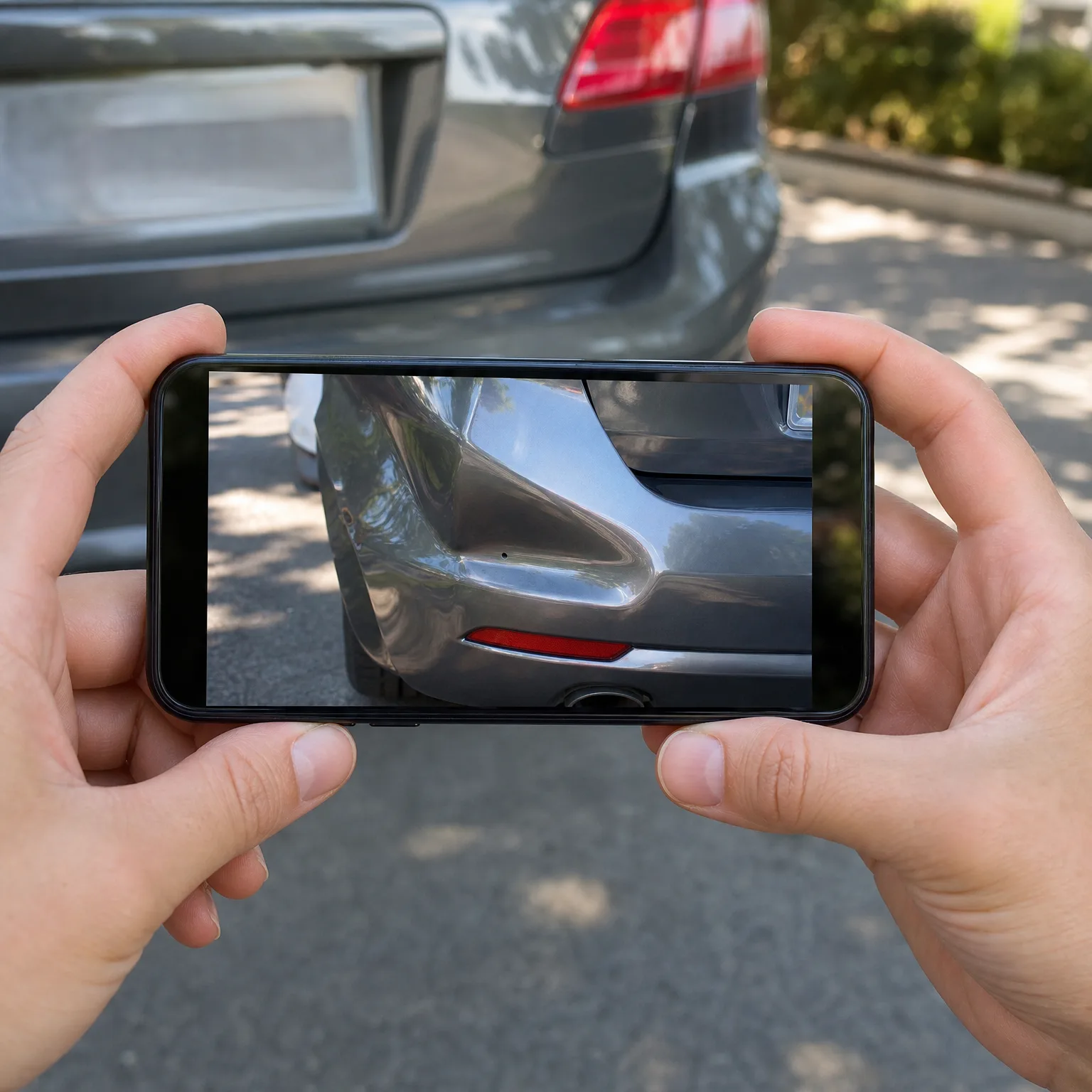
What your policy has to do after a DUI
- Meet the FR-44 limits Your state requires higher liability coverage than normal, not just the usual minimum. Ask any insurer upfront whether they write policies at these higher limits in your state.
- Get filed with the state The insurer must send the FR-44 form directly to your state, not just hand you a certificate. Confirm the filing went through before you assume you're legal to drive.
- Stay active without gaps A lapse in coverage during the FR-44 period can restart the clock or add penalties. Set up automatic payments so the policy never lapses by accident.
- Cover the full required period The FR-44 requirement lasts for a set period set by your state, and leaving early voids the progress you've made. Check your state's exact timeline before you consider dropping coverage.
- Follow you if you move Moving to another state can change or end the FR-44 requirement, depending on where you move. Contact your new state's DMV before you cancel anything.
A driver figuring out coverage right after a DUI conviction
A driver got a DUI conviction and was told by the court to carry an FR-44. He assumed it worked like the SR-22 a friend had after a speeding ticket, so he called his current insurer expecting a small adjustment. Instead he learned his insurer didn't write FR-44 policies in his state at all, and he'd need to find one that did before the court deadline.
He called around, compared a few quotes, and picked an insurer that confirmed in writing it would file the FR-44 directly with the state. He set up automatic payments so the policy couldn't lapse without him noticing, since he knew a lapse could restart the whole requirement. By the time his court check-in came around, the filing was confirmed active and he didn't think about it again until the requirement period ended.

Now that you know what your policy needs to cover, compare quotes to find an insurer that files the FR-44 correctly.

Whether you get the FR-44 filing right away
If you do
You confirm your insurer can file an FR-44 in your state, get the filing submitted, and set up automatic payments. You stay legal to drive, satisfy the court requirement, and the clock starts counting down toward the day you no longer need it.
If you don't
You guess the SR-22 process applies, pick an insurer that doesn't file FR-44 forms, or let coverage lapse. The state flags the missing or broken filing, your license stays suspended, and the required period can reset from the beginning.
Why the requirement works this way
States use the FR-44 instead of the SR-22 specifically for more serious offenses like DUI, because the higher liability limits are meant to cover more potential harm from a driver the state considers higher risk. It isn't a punishment add-on so much as a recalculation of how much coverage makes sense given what happened.
The filing itself is just paperwork between your insurer and the state, but it only works if it stays unbroken. Insurers are required to notify the state if your policy lapses or gets cancelled, and that notification is what triggers the suspension or reset. This is why the automatic part matters more than the initial setup.
What varies by state is the length of time you need to carry the FR-44, whether it is tracked by your license or by your vehicle registration, and how moving affects the requirement. Some states transfer the obligation if you relocate, others end it, and some require you to establish a new filing wherever you land. None of this is something to guess at, since getting it wrong extends the timeline rather than shortening it.
The one thing that doesn't vary is that not every insurer offers FR-44 filings in every state. This isn't about risk so much as which companies have set up the administrative relationship with that state's DMV. Asking directly, rather than assuming your current insurer can handle it, saves you from finding out at the worst possible time.
An FR-44 isn't a stricter SR-22, it's a different requirement, and treating it the same causes real delays.