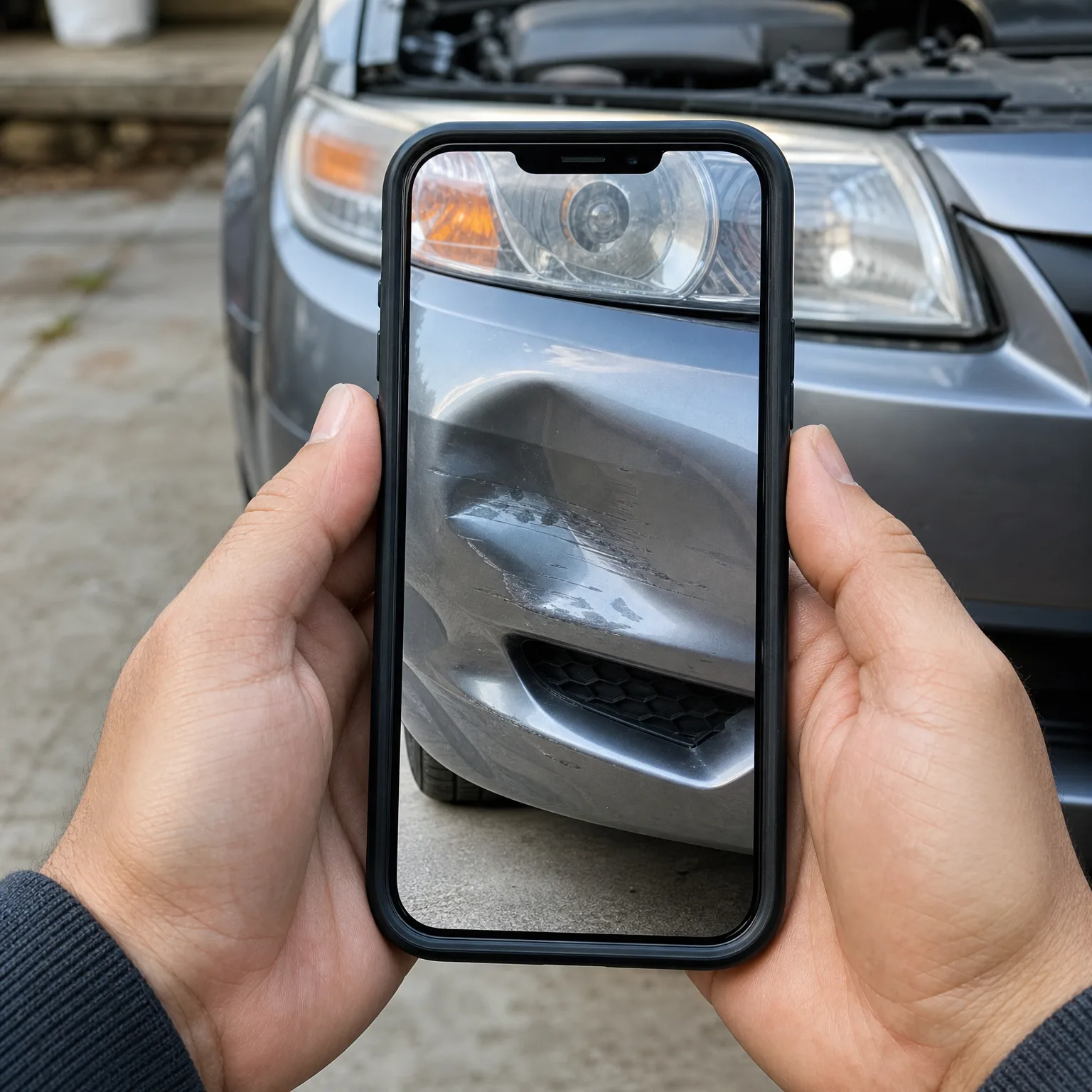
What Is FR-22 Insurance
FR-22 is a certificate your insurer files with the state proving you're covered, usually after a suspension tied to an accident.
Free to compare

A license suspended after an uninsured accident
A driver got into an accident while uninsured and had their license suspended as a result. To get the license back, the state required proof of ongoing coverage, and the letter they received named the FR-22 specifically, not the more commonly known SR-22.
They called their insurer, confirmed the company could file an FR-22 in their state, and bought a policy that met the state's required limits. The insurer filed the certificate electronically. The driver kept the policy active without any lapse, since letting it cancel even briefly would have restarted the clock on how long they had to carry it. Their license was reinstated once the state received the filing, and they kept paying close attention to renewal dates afterward.
Is FR-22 the same as SR-22?
No. They're cousins, not twins. Both are certificates your insurer files to prove you carry liability coverage, but they get triggered by different situations and sometimes require different coverage amounts depending on your state.
SR-22 is the one most people have heard of, often tied to violations like DUI or driving without insurance. FR-22 shows up more specifically after a suspension connected to an uninsured accident, in states that use this exact form. The letter from your state or the DMV will tell you which one you actually need, so don't guess based on what a friend had. If you're not sure, ask your insurer to confirm which certificate your state requires for your situation.

Staying insured without a gap while you carry FR-22
If you do
Your license stays reinstated and valid. Your insurer keeps the filing active with the state automatically at each renewal. You avoid restarting the requirement period, and over time the FR-22 requirement ends on its own once your state's tracking period is complete.
If you don't
Any lapse in coverage gets reported to the state immediately. Your license can be suspended again, the clock on how long you need the filing often resets, and you may need to start the whole process over, sometimes with higher costs than before.
Now that you know what FR-22 requires, compare quotes from insurers that file it in your state.
Why the state wants proof, not just a promise
States that use FR-22 are responding to a specific problem: someone drove without insurance and caused an accident. The certificate exists to make sure that doesn't happen again quietly. Instead of trusting a driver's word, the state wants direct confirmation from the insurance company that coverage exists and stays in place.
That's why the filing comes from your insurer, not from you. Your insurer reports electronically to the state when the policy starts, and just as importantly, when it lapses or cancels. This direct line of communication is the entire point. It removes the gap where a driver could let coverage drop without anyone noticing until another accident happened.
The required coverage limits tend to be higher than a standard policy, because the state is trying to make sure that if something goes wrong again, there's enough coverage to actually pay for it. Exact limits vary by state, so check what your state requires rather than assuming your old policy limits are enough.
How long you need to carry it also varies by state, and it's tied to the date of your suspension rather than a fixed universal period. Some drivers find the requirement ends sooner than they expected, others discover a lapse added time back on. Check with your state's motor vehicle agency for your specific timeline rather than relying on what someone else experienced.
The filing only protects you if it never lapses, so treat renewal dates as fixed, not flexible.
Can I switch insurance companies while I have an FR-22?
Yes, but only if the new insurer immediately files a new FR-22 with your state before the old one cancels. If there's any gap between the old filing ending and the new one starting, the state sees that as a lapse, even if you technically had coverage. Confirm the new insurer can file in your state and ask them to coordinate the timing with your old policy's cancellation date before you make the switch.
Does FR-22 insurance cost more than regular insurance?
Often yes, mainly because of two things layered together. First, the required coverage limits are usually higher than a standard policy, so you're buying more protection. Second, the suspension and underlying incident on your record already affect how insurers price your risk. Some insurers specialize in high-risk filings and may offer more competitive rates than others, so it's worth comparing specifically among companies that handle FR-22 filings rather than assuming all quotes will be similarly high.
What happens when my FR-22 requirement ends?
Your state stops requiring the filing, and you can switch to a standard policy without it if you want to. Your insurer won't file anything further once the required period is reported complete. Check with your state to confirm the exact end date rather than assuming, since lapses or other violations during the period can extend it. Once confirmed, you're free to shop for any policy, filing or not.